Table Of Content

Omega-3 fatty acids may also help reduce inflammation and boost immunity. These could help boost your hair growth cycle and improve your overall health. Hair thinning can occur in certain areas on the scalp, such as the crown or along the part line, leading to noticeable patches or generalized thinning across the entire head. Whether thinning hair can grow back depends on various factors, including the cause of the thinning, an individual's genetics, and the treatment approaches. Regular exercise, adequate sleep, and a balanced lifestyle also play vital roles in managing stress. Establishing boundaries, pursuing hobbies, and seeking support can significantly alleviate stress levels.
How is hair loss in women treated?
However, this will highly depend on your particular nutritional deficiencies, and the causes that lead to your specific case of hair loss or hair thinning. For example, lack of zinc is a common cause for hair loss, and so is iron deficiency. The most common cause of hair loss in females is androgenetic alopecia, which has strong links to genetics and can run in families. Massaging the scalp may increase circulation in the area and promote hair growth.
What stimulates natural hair growth?
These treatments typically take up to six months to work, with better results at 12 months. For people who are capable of becoming pregnant, it's often prescribed with a birth control pill because it can cause fetal development anomalies. Have a look at our in-depth reviews of three hair loss treatment subscription services, including Hims, Keeps, and Happy Head, along with our comparison review of Hims vs. Keeps. Mix three drops of geranium essential oil with eight drops of carrier oil.
Scalp or Hair Oils
There isn’t any evidence that doing so will reverse thinning hair, and getting too much of certain nutrients may actually do more harm than good. Consider the following 12 options, but be sure to talk with your doctor first. When these flakes mix with the oil that’s produced by the scalp, they can clog your follicles and impair the hair’s nutrient supply, which ultimately weakens its structure.
If you’re experiencing new hair loss or hair thinning, or if you’re developing any bald spots, you should talk with a doctor. They can help you detect any underlying medical conditions, as well as offer any related medications. If you notice you’re losing more than that due to female or male pattern baldness, or telogen effluvium, Moustafa recommends topical minoxidil, aka Rogaine. When considering these treatments, it's essential to weigh their effectiveness, potential risks, and the commitment required. Medical treatments often need professional guidance and prescriptions, while non-medical options might necessitate regular sessions for visible results.
Shampoo for Thinning Hair: Experts Explain the Science and What to Look For - Shape Magazine
Shampoo for Thinning Hair: Experts Explain the Science and What to Look For.
Posted: Wed, 28 Jun 2023 07:00:00 GMT [source]
Androgenetic alopecia is generally known as female pattern hair loss (FPHL) in women or male pattern baldness in men. If your ponytail is not as bouncy as it once was, or your hair is simply not as lush, soft, or full, you’re not alone. Nearly 50% of women going through menopause, typically in their forties and beyond, will experience moderate to excessive hair loss, shedding and thinning. Happily, there are now topical treatments for these issues that can be done in-office or at home to bolster significant growth with zero downtime or negative effects. That’s because factors like genetics, your nutrition, stress and anxiety, and changes in your hormones, metabolism, or medications can all contribute to thinning hair.
Try eating iron-rich foods with foods like citrus, potatoes, strawberries, and tomatoes.
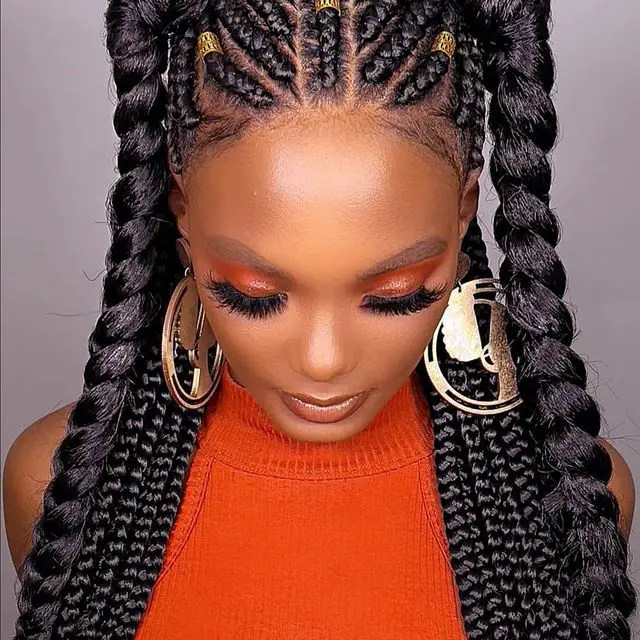
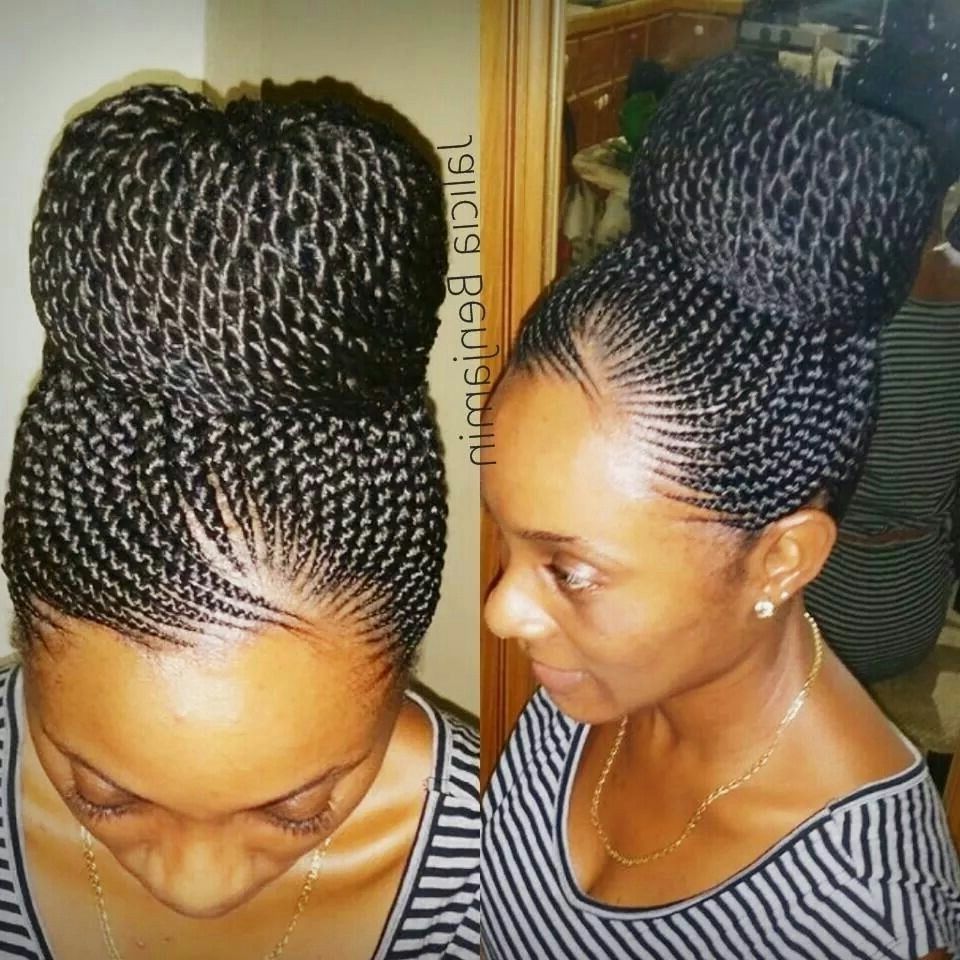
Traction alopecia occurs in women whose hair styles or practices consistently put a lot of pressure on the hair (think tight braids or ponytails or extensions). So, we tapped top dermatologists to create this comprehensive guide featuring the most common causes, top treatment options, expert-backed product picks, and even advice for how to prevent hair loss. Regardless of the type of scalp or hair treatment, it can take three to six months for the products to work and to begin to see hair growth. Certain types of light therapy may encourage hair growth and cut down on hair thinning. Shampoos and topical products targeting dandruff may also help promote hair growth.
Free Healthbeat Signup
TE most often occurs after a particularly stressful event such as emotional stress (a break-up, the death of a loved one) or physical stress (surgery, extreme illness), says Dr. Green. More specifically, the shedding will start three months after the event. The reason why is unclear, but it’s suspected that high levels of cortisol, a stress hormone, shortens the growth phase, pushing a greater amount of hair into the shedding phase, Green adds. Not a hundred percent sure if the amount of hair you’re losing is normal? Collect all of the hair you find in a day and bring it with you to see your dermatologist when you go in for an evaluation, suggests Michele Green, MD, a board-certified dermatologist in New York City.
21 Best Hair Growth Vitamins and Supplements (Reviewed for 2024) - Cosmopolitan
21 Best Hair Growth Vitamins and Supplements (Reviewed for .
Posted: Mon, 11 Mar 2024 07:00:00 GMT [source]
Finding the reason for your hair loss can help you get the best results. If you recognize emotional changes, consult a healthcare provider about mental health services that can help you address the emotional aspects of hair loss. Hair loss treatment and restoring a balance of hormones may help hair regrowth. Research shows that consuming omega fatty acids can help improve hair density and diameter and reduce hair loss. Results of one study showed that people who consumed a supplement with omega-3, omega-6, and antioxidants can reduce hair loss while improving hair and hair diameter. In one study, researchers reported that using this marine protein supplement for nine days increased the number of terminal hairs and decreased hair shedding in women with thinning hair in three months.
Finasteride blocks the production of an androgen sex hormone in your scalp that stops hair growth. Minoxidil is formulated as a liquid, foam, or spray applied directly to your scalp. Both minoxidil 2% and 5% are FDA-approved for treating hair loss in people of any sex. A 2015 study also found that rosemary oil may be as effective as minoxidil for treating androgenetic alopecia. Stretching during the massage could encourage hair growth and thickness in the dermal papilla cells, which are located at the bottom of the hair follicle.
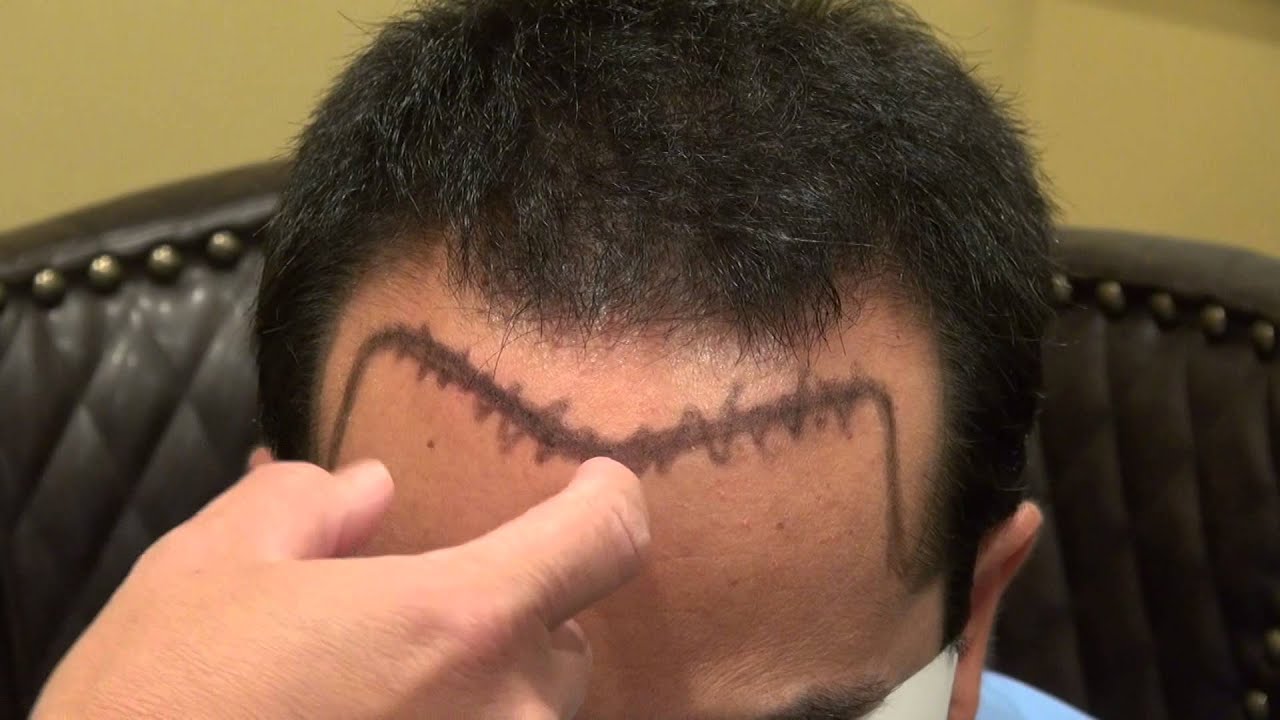
Of course, these are not the only options that you have on the market if you are looking for ways to regrow hair naturally. Castor oil, jojoba oil, grapeseed oil and almond oil can also be a good addition to your hair care routine. In addition, a good scalp massage is a great way to absorb hair care products and essential oils more effectively, on top of releasing tension in the scalp and relaxing the muscles.
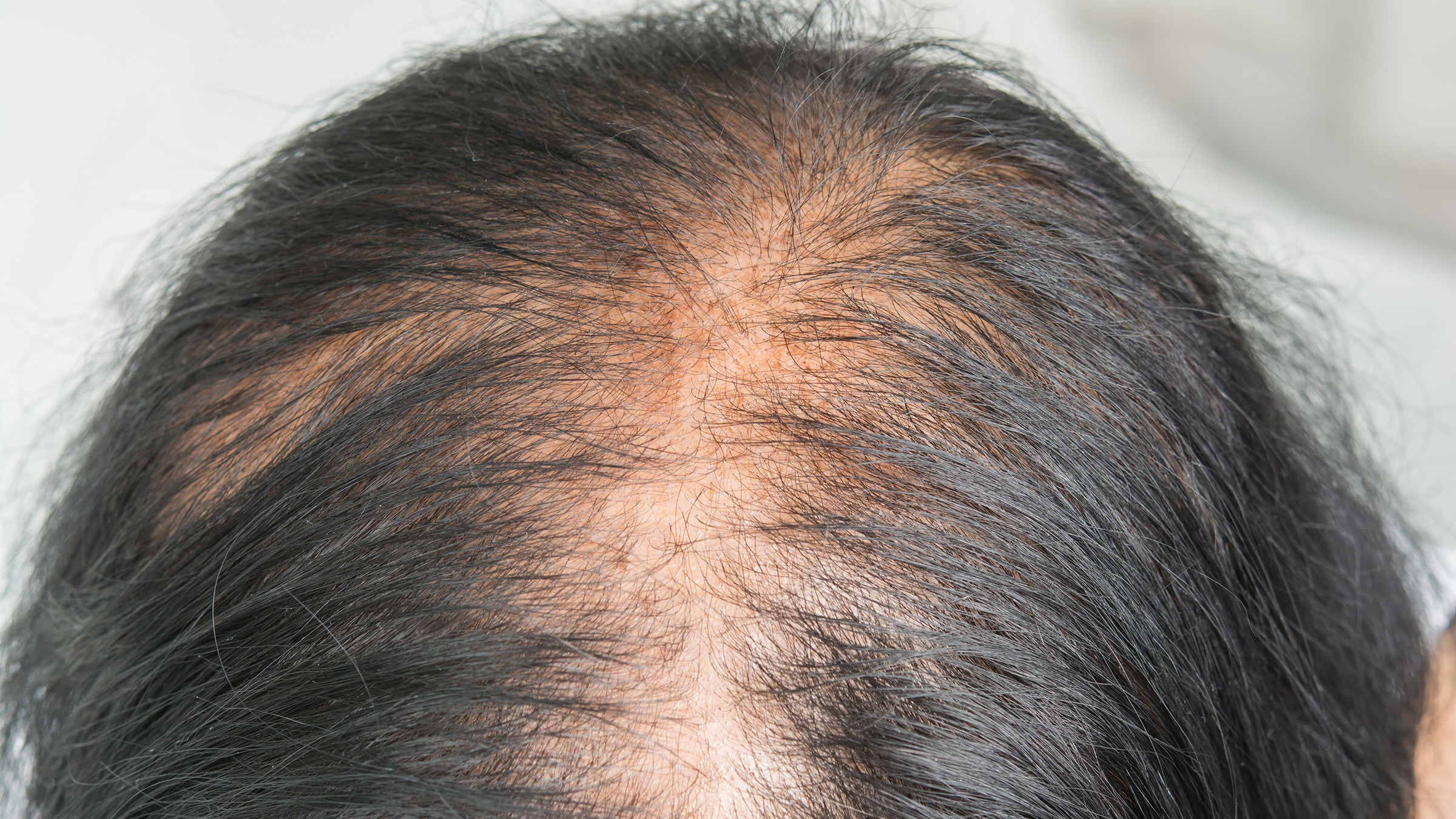
Using red or blue light devices at home seems to trigger scalp cells to improve blood supply, reduce inflammation, and regenerate the hair. Some studies have found that light therapy was able to significantly increase hair density after several weeks of use. Supplements aren't regulated by the Food and Drug Administration (FDA) in the same way that medications are in the United States. Check with a healthcare provider before trying one out to ensure you're not getting too much of a particular vitamin or nutrient.
Perhaps the cheapest method of trying to get thicker hair is scalp massage. It doesn’t cost anything, and if done correctly, it isn’t harmful. A commercial supplement composed of a proprietary oral marine protein (Viviscal Extra Strength) may help promote thicker and fuller hair. It's a blend of shark powder and mollusk powder derived from sustainable marine sources. The terms male and female used in this article relate to chromosomal, anatomic, or biological characteristics, not gender identity.
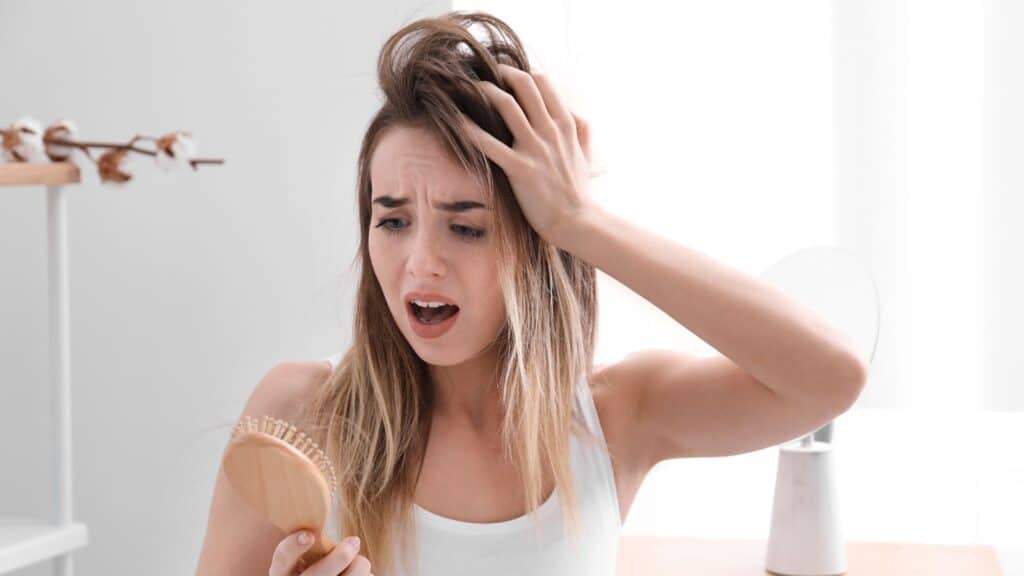
Dealing with thinning hair can be a challenging journey for women, impacting not just their appearance but also their confidence. Various factors such as hormonal changes, genetics, stress, and lifestyle choices contribute to this common issue among females. If you are looking to regrow hair naturally, another tip that shouldn't be missing from our list is a consistent physical activity. While exercise itself may not directly address the root causes of hair thinning, it can have positive effects on overall health, which can, in turn, benefit your hair health. Other factors may play a role in hair loss, such as inflammatory conditions that affect the scalp and hormone imbalances. Healthcare professionals may want to investigate these possible causes if the person does not respond to typical treatments.